

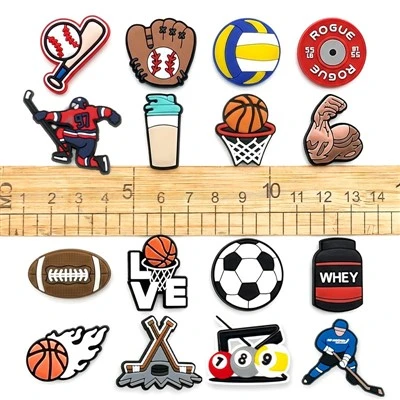
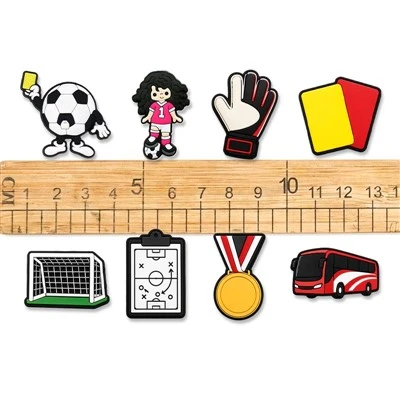
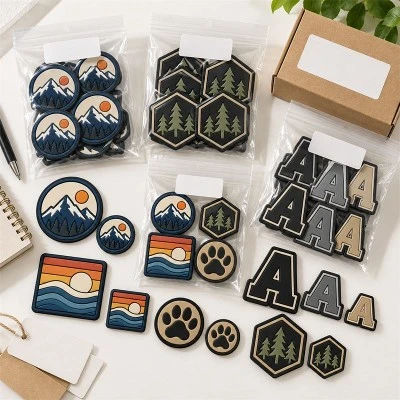
As demand for personalized decoration continues to grow across apparel, footwear, bags, and customized branding, PVC patches have become widely used design components because of their vivid colors, varied shapes, and distinctive dimensional effects. Their appearance and performance are closely connected to the manufacturing process. From initial artwork to final inspection, PVC patch production involves several coordinated stages, and the level of process control directly affects dimensions, color accuracy, structure, and surface quality.
Production begins with product design. Designers determine the artwork, dimensions, thickness, colors, and dimensional details according to the customer's requirements and the intended application. For brand logos, lettering, and intricate graphics, proportions and fine details need to be reviewed carefully to ensure that the design can be reproduced accurately during molding.
The next stage is mold development. The mold provides the foundation for creating the intended shape and structure of the PVC patch. Its design must take into account thickness, dimensional layers, graphic details, and production requirements. A well-designed mold helps create clean contours and defined three-dimensional features while maintaining consistent dimensions during repeated production.
Material preparation is another important stage. PVC compounds are prepared and colored according to the product specifications. For multi-color patches, each color area must be planned carefully so that the boundaries remain clean and the final composition appears balanced.
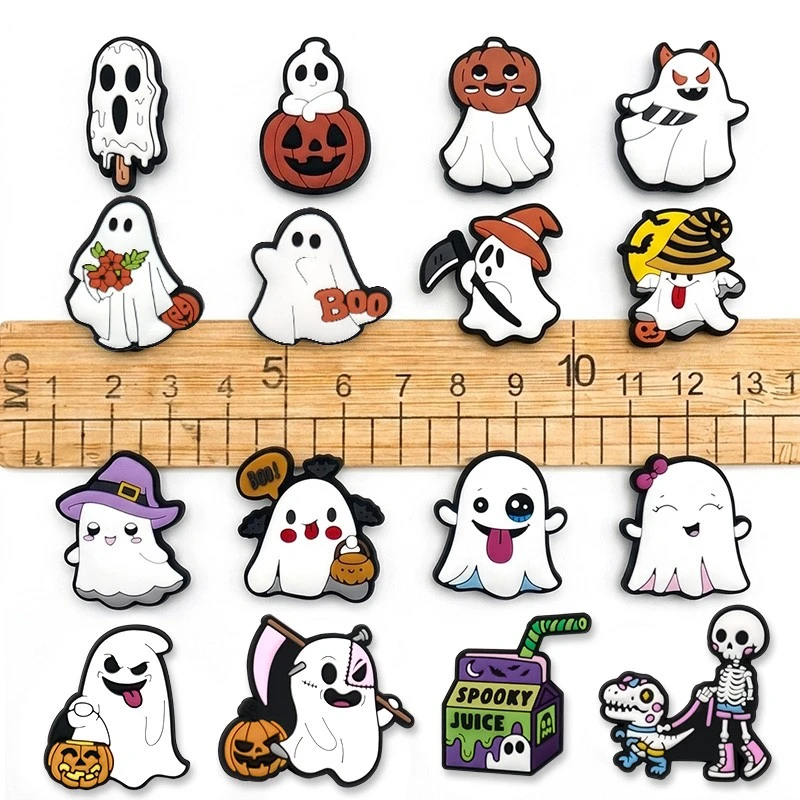
The material then moves into the forming stage. Depending on the product design and manufacturing method, the PVC material is processed into the specified graphics and structure. By controlling material quantity, forming conditions, and mold interaction, manufacturers can create flat, embossed, or three-dimensional effects. Multi-layer and multi-color products require additional control to ensure that each section matches the intended design.
After forming, the patches are removed from the mold and undergo trimming and visual inspection. Production personnel check the edges, graphic definition, and surface condition for visible defects. Where necessary, additional edge finishing is carried out to improve the appearance and consistency of the finished product.
The next stage may involve backing preparation or attachment-related processing. Depending on the intended application, PVC patches can be designed for heat pressing, adhesive bonding, stitching, or other attachment methods. Different fastening systems require suitable backing structures to ensure compatibility with apparel, footwear, bags, and other substrates.
Quality inspection is an essential part of the production process. Finished patches are generally evaluated for dimensions, color consistency, graphic accuracy, thickness, surface condition, and attachment structure. For customized products, particular attention is given to logos, lettering, and other design details to ensure that the finished pieces match the approved specifications.
Overall, PVC patch manufacturing involves multiple stages, including design, mold development, color preparation, material processing, forming, trimming, finishing, and quality inspection. As molding technology and production methods continue to improve, the industry is moving toward greater precision, consistency, and efficiency, providing a stronger manufacturing foundation for PVC patches used in apparel, footwear, bags, and customized branded products.