

As consumer expectations for footwear continue to evolve, shoe accessories are taking on a wider range of functions. From enhancing visual design and supporting everyday wear to strengthening brand identity and enabling personalization, accessories have developed from simple decorative additions into versatile elements that contribute to both product design and market value. Their specific role can vary according to the footwear style, intended use, and needs of the target consumer.
Enhancing visual appeal remains one of the primary purposes of shoe accessories. Shoe flowers, decorative buckles, metal fittings, tassels, beads, and other details can add depth and character to the upper, helping a simple design achieve a more distinctive appearance. Designers can select colors, materials, and shapes according to the positioning of the footwear, creating a balanced relationship between the accessories, upper, sole, and overall color palette.
Many shoe accessories also provide practical benefits. Lace locks, lace clips, and adjustment components can help keep laces secure and improve the fit, making footwear more convenient to wear. Certain structural accessories can also protect specific areas of the upper from friction and everyday wear. As a result, contemporary accessory design increasingly focuses on achieving a balance between decorative appeal and practical performance.
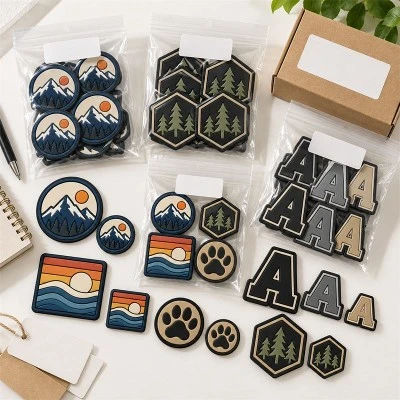
Accessories also provide an effective way for consumers to express their personal style. Different combinations can transform the overall appearance of a pair of shoes, allowing the same footwear to complement different outfits and occasions. Detachable and interchangeable accessories are particularly well suited to personalized consumption, giving users the freedom to change details according to the season, holidays, special occasions, or individual preferences.
Shoe accessories can also contribute to brand development. Distinctive metal plates, badges, logos, and signature decorative elements can become recognizable components of a footwear collection. By establishing a consistent accessory design language, brands can reinforce their visual identity and create stronger associations between specific details and their products.
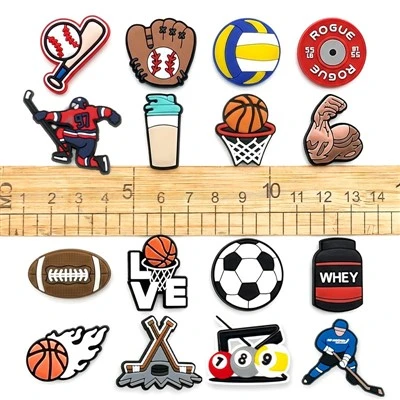
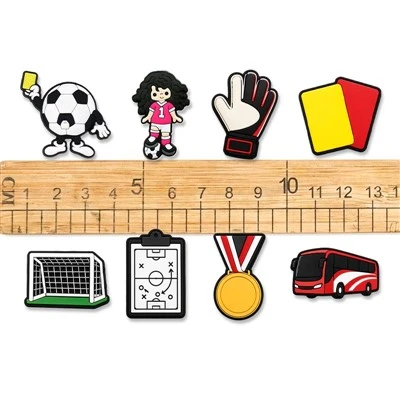
In addition, accessories can be developed for themed footwear, seasonal collections, festive products, and customized services. Designing components around cultural elements, special events, or specific consumer interests can give footwear a stronger sense of identity and differentiation.
Overall, the role of shoe accessories is expanding beyond simple decoration toward a combination of aesthetics, functionality, personalization, and brand expression. With continued innovation in materials and manufacturing processes, accessories are expected to play an increasingly important role in improving footwear design, enhancing user experience, and creating distinctive product offerings.