



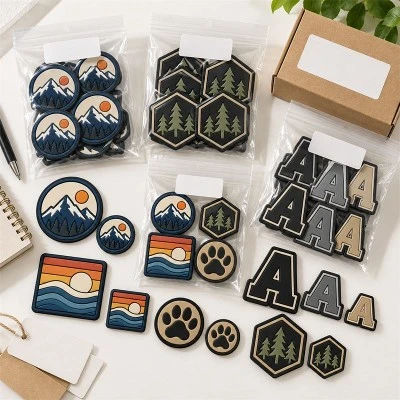
As PVC patches become increasingly common on apparel, footwear, bags, hats, and customized branded products, greater attention is being given to their quality and long-term performance. Although PVC patches offer vivid colors, diverse shapes, and distinctive dimensional effects, proper selection, installation, and maintenance remain important. Material properties, dimensions, attachment methods, and environmental conditions should all be considered to achieve the desired appearance and durability.
The first consideration is selecting a patch that matches the intended application. Different products require different levels of flexibility, thickness, and resistance to wear. Apparel and footwear, for example, are frequently exposed to bending and movement, so patches should not be unnecessarily thick or excessively rigid. For bags and other products, the patch design should be selected according to the frequency of use and the characteristics of the surface material.
The size of the patch should also be appropriate for the product. An oversized patch may disrupt the overall proportions of a design, while one that is too small may not achieve the intended visual impact. Before installation, the placement, dimensions, and surrounding space should be checked carefully to prevent interference with zippers, buttons, laces, or other decorative components.
The attachment method is another important factor. Depending on the substrate and product design, PVC patches may be applied through heat pressing, adhesive bonding, stitching, or other fastening techniques. Each substrate requires a suitable installation process. When heat pressing is used, temperature, pressure, and processing time should be adjusted according to the specific materials and equipment to reduce the risk of deformation or damage to the underlying product.
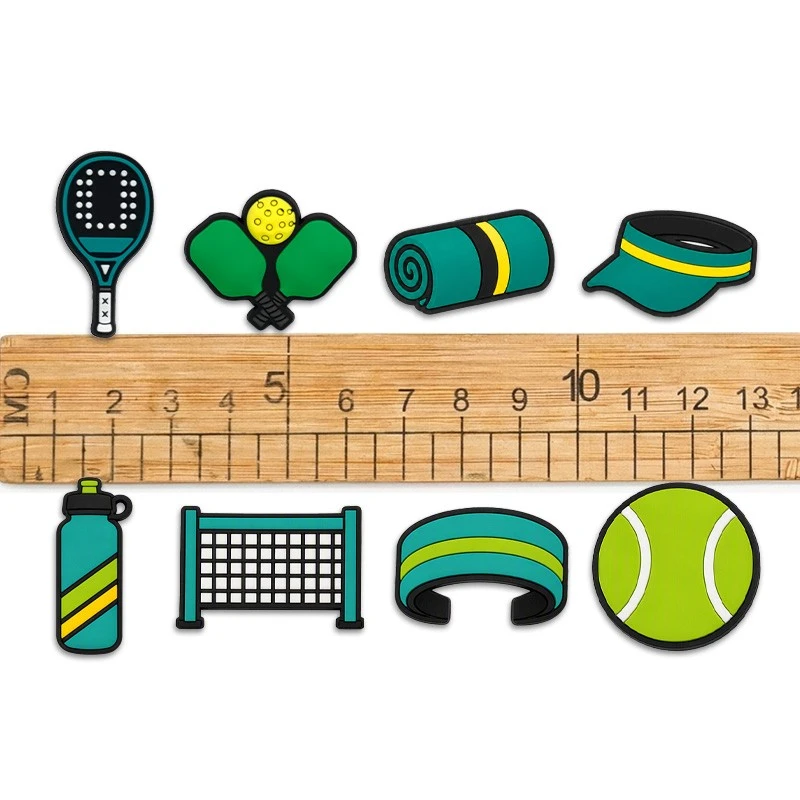
For adhesive-backed PVC patches, the surface should be clean and dry before installation. Dust, oil, moisture, and other contaminants can affect the strength of the bond. After application, the patch should be given sufficient time to set according to the requirements of the adhesive or manufacturing process, and unnecessary pulling or movement should be avoided during this period.
During everyday use, PVC patches should be protected from prolonged exposure to unsuitable high temperatures, sharp objects, and excessive friction. For garments and footwear that require cleaning, the cleaning method should be compatible with both the patch and the underlying material. Repeated aggressive rubbing or inappropriate cleaning procedures may affect the surface finish or weaken the attachment.
PVC patches should generally be stored in a clean and dry environment and protected from prolonged direct sunlight or excessive heat. Specific storage conditions should follow the material characteristics and manufacturer's requirements.
For mass production, manufacturers should also inspect graphic clarity, color consistency, dimensional accuracy, edge quality, and attachment strength. For branded and customized patches, special attention should be given to the accuracy of logos, lettering, colors, and other design elements.
Overall, the performance of a PVC patch depends not only on the product itself but also on how it is selected, installed, used, and maintained. Choosing an appropriate material and structure, applying the correct attachment process, and following suitable maintenance practices can help preserve the appearance and stability of PVC patches while providing reliable decorative performance.