

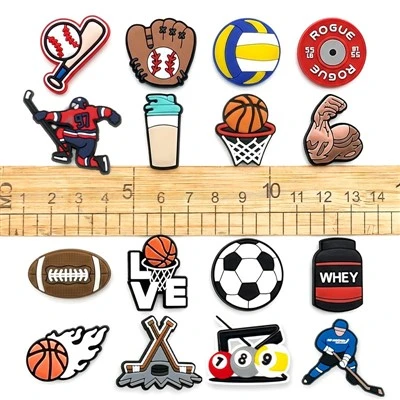
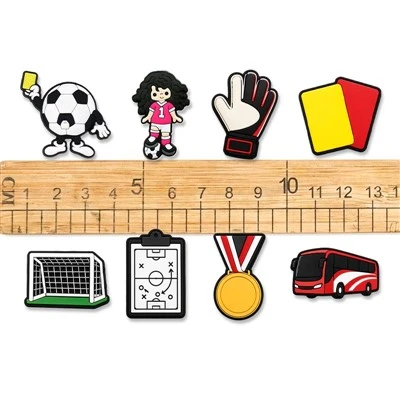
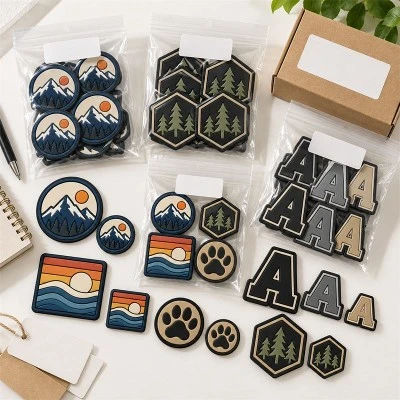
As demand for personalized designs continues to grow across apparel, footwear, bags, and everyday products, PVC patches have become increasingly popular as decorative components. Typically made primarily from polyvinyl chloride, PVC patches are produced through processes such as molding, printing, or composite manufacturing and are then attached to the surface of a target product. Their working principle centers on three key elements: forming the material into a specific design, creating clear visual details, and establishing a secure connection with the underlying material.
The process begins with material forming. Manufacturers select suitable PVC materials and colors according to the design requirements, then use molds to create letters, graphics, logos, or three-dimensional shapes. PVC offers good molding versatility, allowing manufacturers to produce different thicknesses, contours, and surface textures. As a result, patches can feature flat graphics, embossed details, or more pronounced three-dimensional forms to meet the decorative requirements of apparel, footwear, bags, and other products.
Visual design is an essential part of how PVC patches function as decorative elements. Brand logos, cartoon characters, letters, numbers, geometric patterns, and themed graphics can all be incorporated into the design. Depending on the manufacturing process, techniques such as multi-color molding, printing, and surface finishing can add additional layers of color and detail, giving the patch a clear and recognizable appearance.
The attachment method determines how the PVC patch is secured to the target surface. Depending on the application, common approaches include heat pressing, stitching, adhesive bonding, and riveting. Some PVC patches are designed with a backing suitable for heat pressing or bonding. During installation, controlled heat, pressure, or adhesive materials can create a stable connection between the patch and substrates such as fabric, leather, or other materials. The appropriate attachment method should be selected according to the properties of the substrate, product structure, and intended use.
During everyday use, PVC patches need to provide more than visual appeal. Apparel and footwear may be exposed to bending, friction, and stretching, so the thickness, flexibility, and attachment area of the patch need to be carefully designed. For products that are frequently washed or used over extended periods, the bond between the patch and the underlying material is particularly important. Proper design and processing can help reduce issues such as lifting edges or detachment.
The modular nature of PVC patches also creates opportunities for personalized product development. Businesses can create different graphics for specific brands, collections, or campaigns while maintaining a consistent manufacturing process. Consumers can also use different patches to express their interests and personal styles, giving familiar products a more distinctive visual identity.
Overall, PVC patches work by combining molded PVC construction with visual graphic design and an appropriate attachment method. The material provides the physical structure, the design delivers visual expression, and the attachment process creates a stable connection with the target product. As material technologies and manufacturing techniques continue to advance, PVC patches are expected to find broader applications in apparel, footwear, bags, and personalized product design.