

As consumer expectations for footwear continue to evolve, shoe accessories have developed from secondary decorative elements into an important part of footwear design. Modern accessory design is no longer focused solely on visual embellishment. Instead, it seeks to balance aesthetics, functionality, comfort, individuality, and brand identity. With a thoughtful design approach, accessories can enrich the visual character of footwear while creating a more versatile wearing experience.
Coordination is a fundamental principle of shoe accessory design. Well-designed accessories should complement the material of the upper, the construction of the sole, the overall silhouette, and the color palette. Designers need to select appropriate sizes, shapes, and materials according to the positioning of each footwear style, ensuring that accessories feel like an integrated part of the design rather than separate decorative additions. Simple footwear can benefit from refined details, while highly elaborate designs may require restraint to maintain visual balance.
Combining function with aesthetics is another important principle of contemporary accessory design. Some accessories serve practical purposes in addition to decoration, such as securing laces, adjusting fit, or providing localized protection. Designers therefore need to consider mechanical stress, friction, and range of movement during use. A functional accessory is most effective when it combines reliable performance with an attractive appearance and intuitive operation.
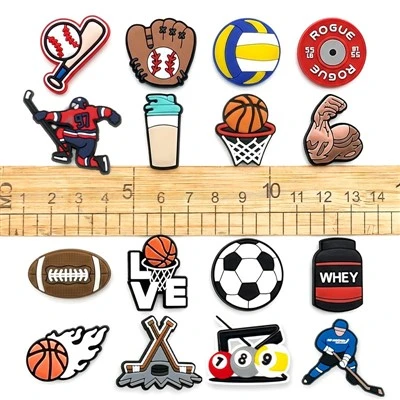
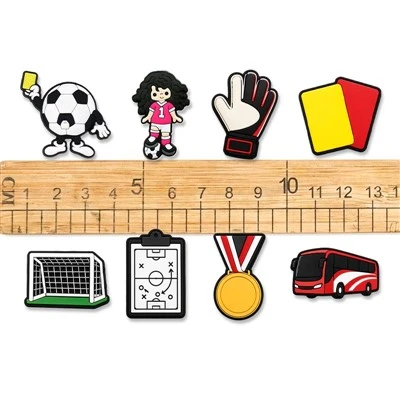
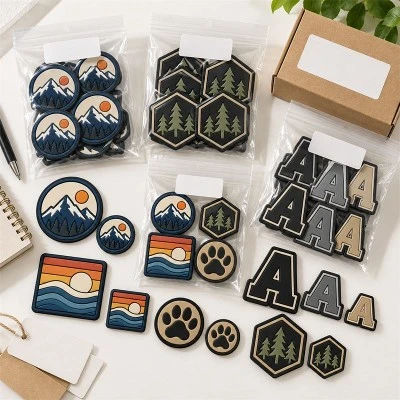
Personalization has also become a central design concept. As consumers place greater value on individual style, accessories featuring distinctive shapes, thematic elements, and interchangeable structures are attracting increasing attention. Detachable components allow users to create different combinations based on clothing, seasons, and occasions, giving a single pair of shoes greater styling flexibility. This approach supports personal expression while potentially extending the relevance of a footwear product across different settings.
Material innovation is creating additional opportunities for accessory designers. Metals, leather, textiles, resin, rubber, and composite materials can be selected according to the intended character of a product, while different manufacturing techniques can produce a wide range of textures and finishes. Sustainable design is also becoming increasingly relevant, encouraging greater consideration of material efficiency, durability, and long-term product value.
Brand recognition is another important aspect of accessory design. Distinctive metal logos, signature structures, and recognizable decorative details can help create lasting visual associations with a brand. By maintaining a consistent design language across products, accessories can become an effective extension of brand identity.
Overall, contemporary shoe accessory design is moving toward greater harmony, functionality, individuality, and sustainability. As materials and manufacturing technologies continue to advance, accessories are expected to provide greater design value and contribute to the development of more distinctive, refined, and innovative footwear products.