

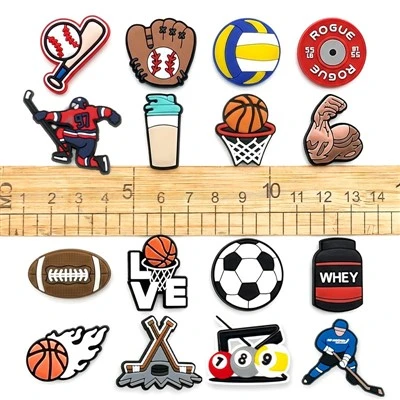
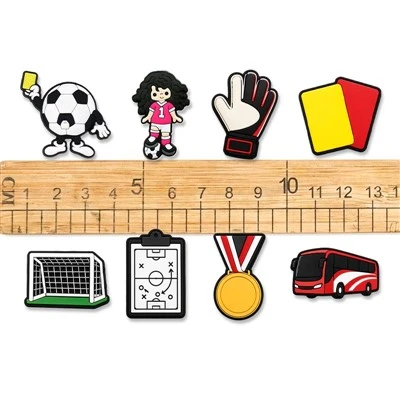
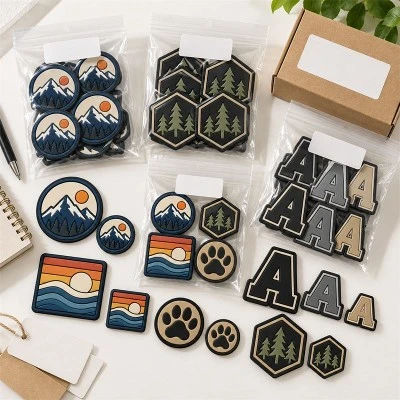
As demand for personalized products continues to grow, PVC patches are now widely used on apparel, footwear, bags, hats, and customized branded merchandise. With so many options available in different colors, sizes, structures, and attachment formats, selecting the right PVC patch requires more than simply choosing an attractive design. Material properties, manufacturing quality, intended use, and attachment methods should all be considered before making a decision.
The first step is to determine the type of patch that best suits the intended application. Apparel and footwear are frequently exposed to bending and movement, so patches with an appropriate degree of flexibility may be preferable. Bags and decorative products can be selected according to their surface materials and expected frequency of use. If the decoration needs to be changed regularly, a detachable or easily replaceable design may provide greater convenience.
Visual quality is another important factor. A well-made PVC patch should generally have clear graphic outlines, consistent color distribution, and a clean surface without obvious bubbles, cracks, contaminants, or significant deformation. For multi-color designs, the boundaries between different colors should be well defined, with minimal bleeding or unwanted color variation.
Thickness and dimensional structure should also be considered. Different products have different requirements. A patch that is excessively thick may reduce flexibility or appear disproportionate, while one that is too thin may not deliver the desired dimensional effect. Buyers can choose between flat, embossed, and raised designs depending on the style and appearance they want to achieve.

Size is equally important. The dimensions of the patch should be proportional to the area where it will be installed. Larger surfaces may accommodate a more prominent patch, while smaller areas are generally better suited to compact and simple designs. Measuring the intended installation area in advance can help prevent problems caused by an unsuitable size.
The attachment method should be compatible with the substrate. Common options include heat pressing, adhesive bonding, and stitching. For heat-applied patches, compatibility between the patch and the target material should be confirmed. Adhesive-backed patches should be selected according to the type of surface and intended conditions, while stitched patches should have an edge structure that allows secure and convenient sewing.
When ordering customized PVC patches, special attention should be given to the accuracy of logos, lettering, colors, and graphic details. For branded products, consistency in color, proportions, and fine details is particularly important to ensure that the finished patch matches the approved design.
Overall, choosing a PVC patch should involve more than evaluating its color or appearance. Intended use, material characteristics, surface quality, structure, dimensions, attachment method, and design accuracy should all be considered together. Selecting a patch that matches the specific application can help achieve both the desired visual effect and reliable everyday performance.